Unlocking Opportunities: A Relaxed Guide to UK Business Visas for Expats

Welcome, fellow expats and aspiring entrepreneurs! The United Kingdom has long been a magnet for global talent and innovative business ideas. If you’re dreaming of launching a new venture or expanding an existing one on British soil, understanding the UK business visa landscape is your crucial first step. While the process might seem a tad daunting, fret not – we’re here to break it down for you in a clear, relaxed manner.
Understanding UK Business Visas: Who Needs One?
First things first, if you’re not a British citizen or don’t have settled status in the UK, and you hail from outside the European Economic Area (EEA) or Switzerland, chances are you’ll need a visa to set up or run a business here. This applies whether you’re planning to start a brand-new enterprise, invest in an existing one, or even if you’ve been recruited by a fast-growing UK company.






The Main Players: Key UK Business Visa Routes
The UK offers several visa routes designed to attract business talent. Let’s take a closer look at the most relevant ones for today’s expats.
Innovator Founder Visa
This visa is designed for experienced businesspeople seeking to establish an innovative, viable, and scalable business in the UK. The key here is ‘innovation’ – your business idea needs to be new, different from anything else on the market, and have growth potential. You’ll need to be endorsed by an approved endorsing body, and you’re no longer required to have a minimum investment fund amount, making it a bit more flexible.
Scale-up Visa
Are you an expert in your field and looking to contribute to a rapidly expanding UK business? The Scale-up Visa might be your golden ticket. This route is for talented individuals recruited by eligible UK scale-up businesses (companies that have grown by 20% or more in turnover or staffing for three years). You’ll need a sponsored job offer from such a business and meet a minimum salary threshold.
Global Talent Visa (Business Aspects)
While not exclusively a ‘business visa’ in the traditional sense, the Global Talent Visa can be an excellent route for entrepreneurs and business leaders who are recognised as leaders or potential leaders in fields like digital technology, arts and culture, or science. You’ll need an endorsement from an approved body relevant to your sector, and this visa offers great flexibility once granted, allowing you to establish a business.
(A Brief Mention) The Phased-Out Start-up Visa
You might still come across mentions of the Start-up Visa. It’s good to know that this route was closed to new applications in July 2023, largely replaced by the more flexible Innovator Founder Visa. If you’re starting fresh, your focus should be on the routes mentioned above.

Essential Requirements: What You’ll Need to Bring to the Table
Regardless of the specific visa route you choose, there are some common threads in terms of requirements. Getting these ducks in a row early can save you a lot of hassle.
Endorsement
For routes like the Innovator Founder and Global Talent visas, securing an endorsement from an approved body is paramount. This body will assess your business idea or your talent and confirm it meets the specific criteria of the visa route.
Investment Funds (Where Applicable)
While the Innovator Founder Visa no longer has a minimum investment requirement, you will still need to demonstrate that you have sufficient funds to invest in your business, as outlined in your business plan, and support yourself in the UK.
A Solid Business Plan
This is your roadmap! Your business plan needs to be detailed, viable, and demonstrate your understanding of the UK market. For the Innovator Founder Visa, it must clearly articulate the innovation, scalability, and viability of your venture.
English Language Proficiency
Most business visa routes require you to demonstrate your English language skills, usually to at least a B2 level of the Common European Framework of Reference for Languages (CEFR). This can typically be proven by passing an approved English language test or by holding a degree taught in English.
Maintenance Funds
You’ll need to show that you have enough money to support yourself and any dependants in the UK without relying on public funds. The exact amount varies, so always check the latest Home Office guidance.
Good Character and Criminal Record Checks
As with most immigration applications, you’ll need to demonstrate good character and may be required to provide a criminal record certificate from any country you’ve lived in for 12 months or more over the last 10 years.
Navigating the Application Process: Step-by-Step
Once you’ve identified the right visa and gathered all your requirements, the application process generally follows these steps:
Preparation is Key
This involves obtaining your endorsement (if required), preparing your business plan, gathering all necessary personal documents (passport, education certificates, financial statements, etc.), and ensuring your English language test is complete.
Online Application Submission
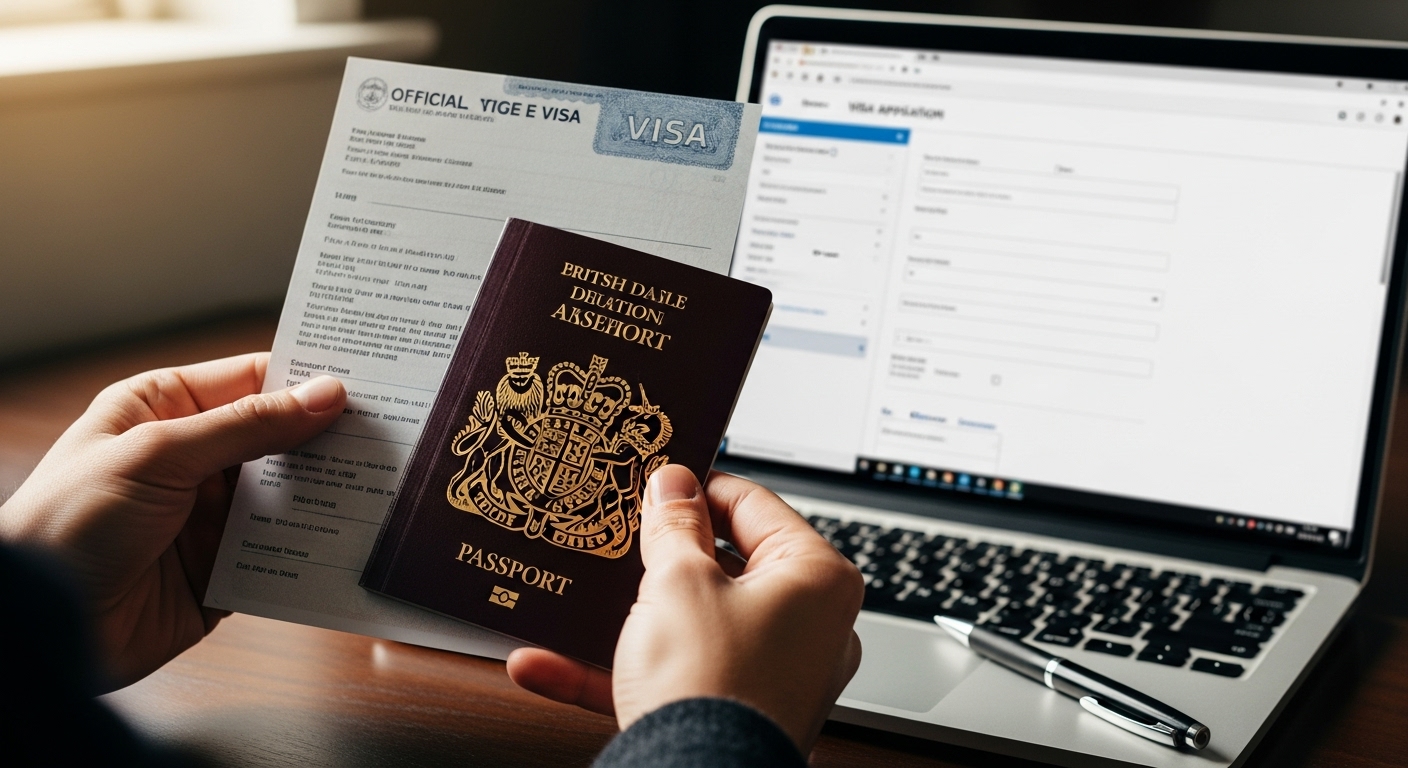
Most UK visa applications are submitted online via the official UK government website. You’ll fill out a detailed form, providing information about yourself, your business, and your background.
Biometrics Appointment
After submitting your online application, you’ll usually need to attend an appointment at a UK Visa and Citizenship Application Services (UKVCAS) centre (if applying from within the UK) or a visa application centre abroad. Here, your fingerprints and a photograph will be taken.
Document Submission
At your biometrics appointment, or by uploading them online, you’ll submit all your supporting documents. Make sure everything is clear, organised, and translated if not originally in English.
Waiting for a Decision
Once everything is submitted, it’s a waiting game. Processing times can vary depending on the visa route and where you’re applying from. You’ll typically be notified by email once a decision has been made.
Top Tips for a Smooth Journey
Embarking on a UK business visa application can be a significant undertaking. Here are a few friendly tips to help make your journey a little smoother:
- Start Early: Give yourself ample time for research, document gathering, and any required tests or endorsements.
- Seek Professional Advice: Consider consulting an immigration lawyer or adviser specialising in business visas. Their expertise can be invaluable in navigating complex requirements.
- Polish Your Business Plan: For innovator-type visas, your business plan is the core of your application. Make it compelling, realistic, and thoroughly researched.
- Double-Check Everything: Before submission, review all forms and documents meticulously to avoid any errors or omissions that could cause delays.
- Be Patient: Immigration processes can sometimes take longer than anticipated. Try to remain patient and avoid making non-refundable travel arrangements until your visa is approved.
Conclusion
The UK offers fantastic opportunities for expats with a keen business mind and innovative ideas. While the path to a business visa requires careful preparation and adherence to specific rules, it’s an entirely navigable journey. By understanding the available routes, meeting the requirements, and meticulously preparing your application, you’ll be well on your way to bringing your business dreams to life in the United Kingdom. Good luck!