Unlocking UK Opportunities: A Comprehensive Guide to Company Formation for Foreign Entrepreneurs

The United Kingdom has long been a magnet for entrepreneurs worldwide, celebrated for its robust economy, stable political landscape, and a business-friendly environment that fosters innovation and growth. For foreign entrepreneurs looking to expand their horizons or launch a new venture, establishing a company in the UK offers a prestigious base with unparalleled access to European and global markets. Let’s delve into the essentials of forming a UK company, making the process smooth and understandable.
Why Choose the UK for Your Business?
Setting up shop in the UK offers a plethora of advantages that make it an attractive proposition for international business minds.



Stable Economy and Business-Friendly Environment
The UK boasts one of the world’s largest and most stable economies, providing a secure foundation for any business. The government actively supports enterprise through various initiatives, making it easier for both domestic and international businesses to thrive. Its legal framework is transparent and predictable, offering clarity and protection for your investments.
Global Access and Prestigious Reputation
A UK company carries significant international prestige, often opening doors to new markets and partnerships. From its strategic location bridging Europe and the Americas to its strong trade links across the globe, a UK base offers excellent connectivity. Furthermore, the English language is a global business standard, simplifying international communication.
Favorable Tax System
The UK’s corporate tax rates are competitive, and it offers various tax incentives and reliefs, especially for small businesses and those engaged in research and development. Understanding these benefits can significantly reduce your tax burden and improve your bottom line.
Types of Companies You Can Form
When forming a company in the UK, foreign entrepreneurs typically consider two main structures:
Private Company Limited by Shares (Ltd)
This is by far the most common type of company, offering limited liability to its shareholders. This means the personal assets of the owners are protected in the event the company incurs debts. It requires at least one director and one shareholder, who can be the same person and do not need to be UK residents.
Limited Liability Partnership (LLP)
An LLP combines the flexibility of a partnership with the limited liability benefits of a company. It’s often favored by professional services firms. Members (partners) have limited liability, and the LLP itself is a separate legal entity. It requires at least two designated members.
Key Requirements for Foreign Entrepreneurs
While the process is designed to be accessible, there are a few fundamental requirements to be aware of.
Directors and Shareholders
A UK limited company needs at least one director and one shareholder. Importantly, there are no nationality or residency restrictions for directors or shareholders. This means you can be based anywhere in the world and still own and operate a UK company.
Registered Office Address
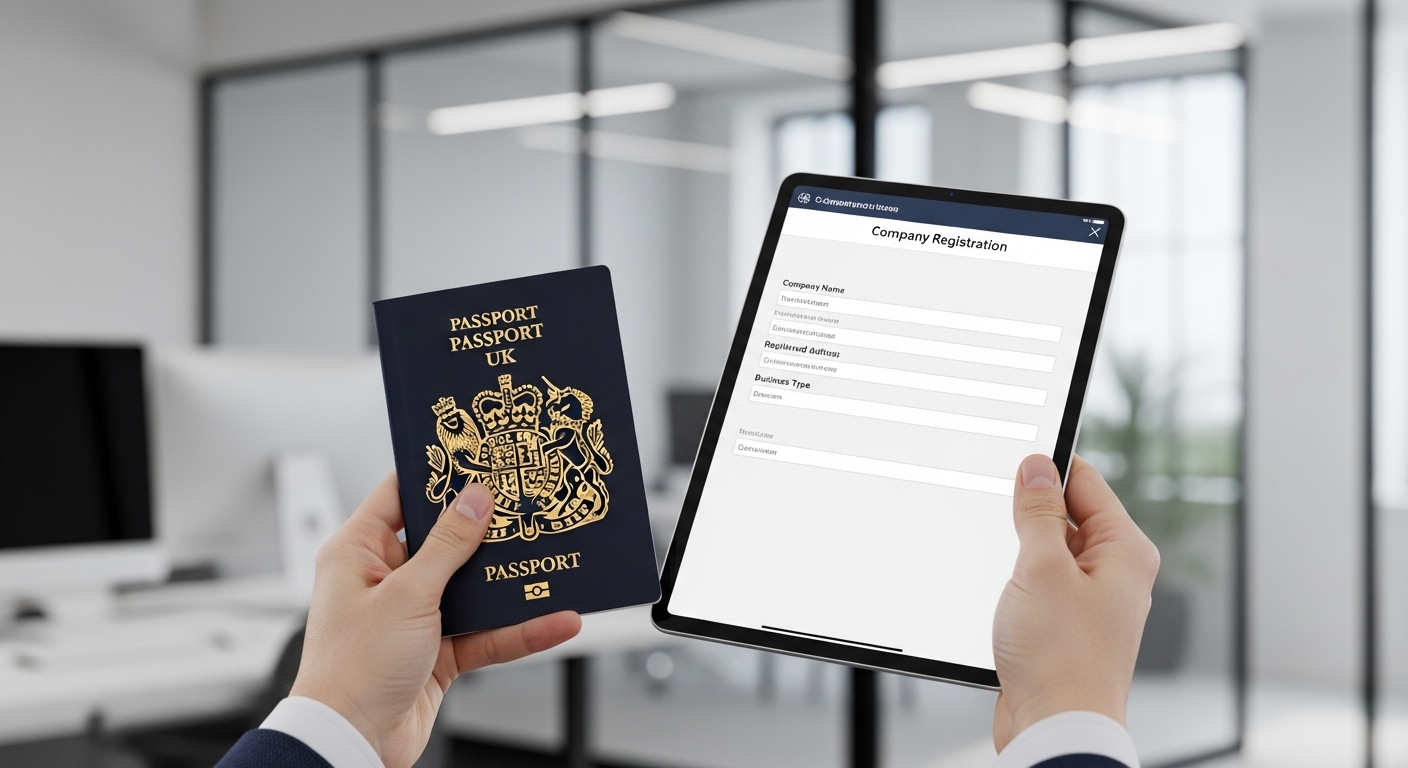
Every UK company must have a registered office address in the UK. This is the official address where Companies House (the UK’s registrar of companies) and HMRC (Her Majesty’s Revenue and Customs) will send official correspondence. Many service providers offer registered office services if you don’t have a physical presence in the UK.
Company Secretary (Optional for Ltd)
For a private limited company, appointing a company secretary is optional. If you choose not to appoint one, the responsibilities of the company secretary generally fall to the directors.
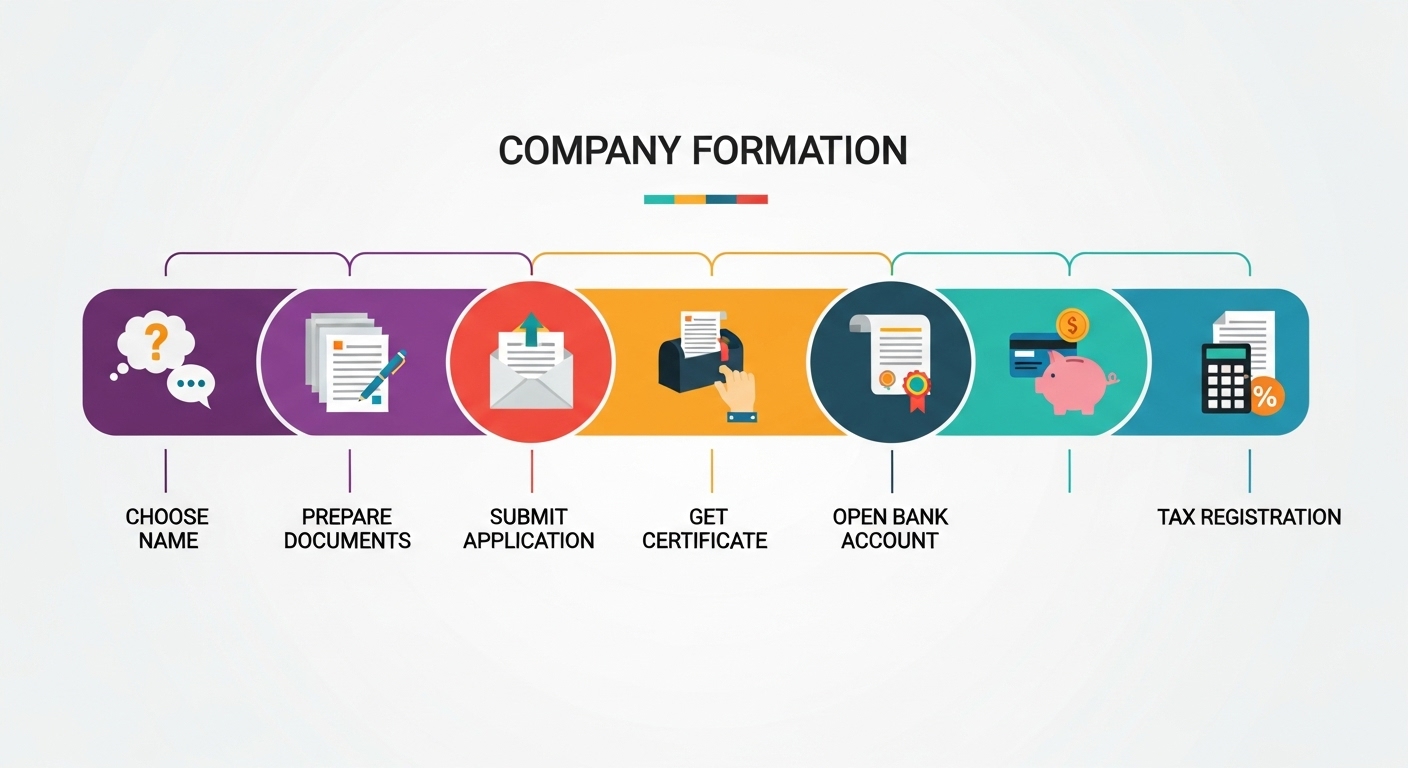
The Company Formation Process: A Step-by-Step Overview
The actual formation process is remarkably straightforward and can often be completed within 24 hours.
Choose Your Company Name
Select a unique company name that isn’t already registered or too similar to existing names. You can check availability on the Companies House website.
Prepare Necessary Documentation
This includes the Memorandum of Association (a legal statement signed by shareholders agreeing to form the company) and the Articles of Association (the rules governing how the company is run). Standard templates are readily available.
Submit Application to Companies House
You can submit your application online through an authorized company formation agent or directly via the Companies House website. This will include details of your company name, registered office, directors, and shareholders.
Obtain Your Certificate of Incorporation
Once approved, Companies House will issue a Certificate of Incorporation, officially bringing your company into existence. Congratulations, you’re now a UK company!
Post-Formation Considerations
Forming your company is just the first step. There are a few crucial tasks to complete afterward to ensure full compliance and operational readiness.
Opening a Business Bank Account
While directors don’t need to be UK residents, opening a UK business bank account for a foreign-owned UK company can sometimes be challenging without a physical presence. Many challenger banks and specialist providers now offer solutions tailored to international entrepreneurs, so it’s worth exploring your options.
Tax Registration (Corporation Tax, VAT)
Your company will need to register for Corporation Tax with HMRC. If your turnover exceeds the VAT threshold, you’ll also need to register for VAT. Understanding your tax obligations from the outset is crucial.
Ongoing Compliance
All UK companies must comply with ongoing reporting requirements, including filing annual accounts and a confirmation statement with Companies House. Proper record-keeping is essential to maintain good standing.
Ready to Take the Leap?
Forming a company in the UK as a foreign entrepreneur is a relatively simple process, opening up a world of opportunities. With careful planning and perhaps the assistance of a professional formation agent, you can quickly establish a reputable presence in one of the world’s leading business hubs. The UK’s welcoming environment, combined with its strong economy and global connectivity, makes it an ideal choice for your next entrepreneurial adventure. So, what are you waiting for?